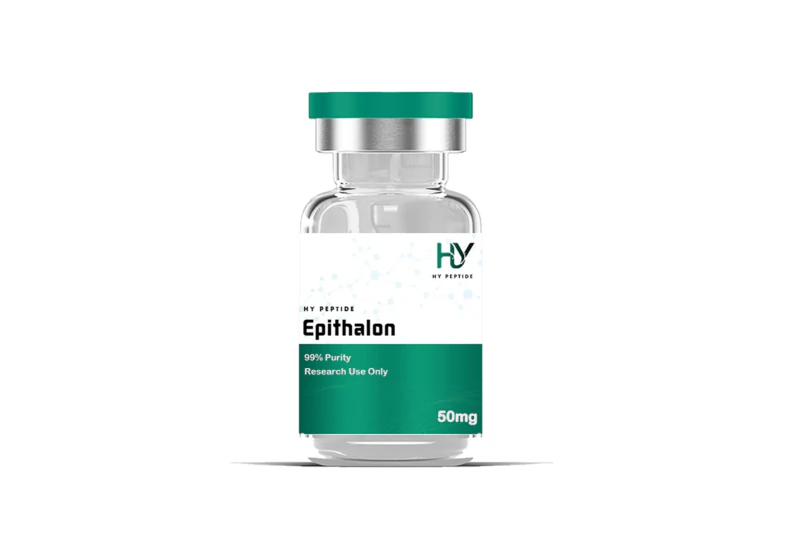
Basic Introduction to NAD+ Research Compound
Nicotinamide Adenine Dinucleotide (NAD+) is a core coenzyme widely applied in cell energy metabolism, aging mechanism, DNA repair and mitochondrial function laboratory research. As a mainstream RUO biochemical raw material, high-purity NAD+ lyophilized powder is supplied to cell biology labs, biotech research centers and pharmaceutical preclinical laboratories globally.
All research-grade NAD+ products from Hengyuan Peptides are only authorized for in-vitro cell incubation and rodent model lab testing, excluded from any oral administration or human clinical application.
Biosynthetic Pathway Research of NAD+
Three mainstream biosynthesis pathways are currently studied in academic labs using NAD+ reference materials:
- De novo synthesis pathway starting from tryptophan precursor;
- Salvage synthesis pathway based on nicotinamide recycling;
- Precursor supplementation pathway with nicotinamide riboside and nicotinic acid.
NAD+ raw material serves as standard positive control substance to quantify coenzyme content changes in cell lines under different intervention conditions, supporting quantitative analysis of metabolic enzyme activity.
Main In-Vitro Laboratory Assay Scenarios for NAD+
Mitochondrial Energy Metabolism Research
NAD+/NADH redox ratio detection is a core indicator of mitochondrial respiratory chain function. Lab-grade NAD+ powder is used to configure standard gradient solutions for calibrating detection instruments and constructing cell energy damage models.
Cellular Senescence & Aging Mechanism Study
Continuous NAD+ depletion is a verified biomarker of cell senescence in multiple human somatic cell lines. Researchers utilize exogenous NAD+ intervention groups to explore DNA damage repair and telomere protection related signaling pathways.
Oxidative Stress Toxicology Assays
NAD+ dependent antioxidant enzyme activity testing relies on high-purity reference NAD+ to establish standard curves, supporting research on cellular anti-oxidation and oxidative injury intervention.
Storage & Configuration Standard for Lab-Grade NAD+
Lyophilized NAD+ powder is sensitive to high temperature and light exposure, standardized lab storage rules are as follows:
- Sealed lyophilized vials stored at -20°C for long-term preservation;
- Short-term experimental preparation requires low-temperature aqueous solvent, prepared and used within 24 hours;
- Avoid repeated freeze-thaw cycles to prevent molecular degradation affecting experimental repeatability.
Advantages of Hengyuan Peptides High-Purity NAD+ RUO Materials
- ≥99% chromatographic purity lyophilized NAD+ powder, each batch attached full HPLC COA report;
- Customizable packaging specifications: 100mg, 500mg, 1g bulk powder and pre-filled 10ml vials for lab trial and mass procurement;
- Strict low-temperature production and sealed vacuum packaging to reduce molecular degradation during transportation;
- Professional biochemical technical team provides solvent preparation, concentration gradient configuration and sample storage guidance for laboratory researchers;
- Stable production capacity supports long-term supply for university labs and global biochemical distributors.
Conclusion
NAD+ remains an irreplaceable core coenzyme research material in cell metabolism and senescence mechanism research. High-purity, stable RUO-grade NAD+ with complete quality certification is the basic guarantee for repeatable preclinical experimental data. Hengyuan Peptides provides traceable lab-grade NAD+ raw materials to support global non-clinical biochemical research projects.
Disclaimer: All products discussed are intended exclusively for laboratory research use only (RUO). Not for human consumption, clinical diagnosis, treatment or sports performance enhancement. No statements herein have been evaluated or approved by the U.S. FDA. End-users must comply with all local national chemical regulatory laws when purchasing and handling research compounds.